From Escalation to Resolution: What Actually Works in the Moment
WRITTEN April 29, 2026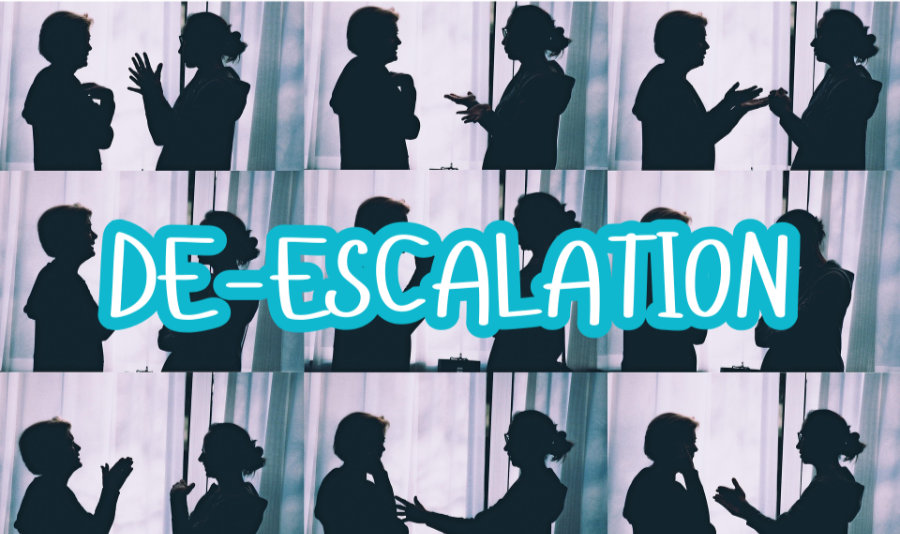
Conflict happens. A long wait, a misunderstanding, or a missed expectation can quickly turn into frustration. The key isn’t avoiding escalation altogether. It’s knowing how to respond when it shows up.
De-escalation isn’t about having the perfect line or “winning” the interaction. It’s about lowering the temperature so people can actually hear each other again.
And here’s the key: when someone is upset, they’re not thinking logically. Their emotional brain is running the show. So if you jump straight into policies, facts, or corrections, you’re talking to the wrong part of their brain.
It starts with you.
Your tone, pace, and body language shape the direction of any interaction. If you seem rushed or defensive—even unintentionally—tension can rise quickly. A calm voice, clear communication, and open, neutral body language help ease the situation right away.
Once you’ve got that under control, you can actually start communicating in a way that works.
Start simple. Greet the person like a human being. Introduce yourself if it makes sense. It sounds basic, but it immediately lowers the “us vs. them” feeling. You’re no longer just “staff” or “the organization”—you’re a person trying to help.
Then shift the dynamic. Instead of telling them what to do, ask how you can help. That small change gives people back a sense of control, which is usually what they feel they’ve lost.
This is where empathy comes in—and it’s probably the most misunderstood part of de-escalation. Empathy doesn’t mean agreeing. It means recognizing how the situation feels to them.
“I can see why that’s frustrating.”
“I get why you’d be upset about that.”
Those kinds of statements don’t fix the problem—but they calm the emotion enough so you can get to a solution.
And just as important as what you say is what you avoid. Certain phrases almost always make things worse:
“Calm down.”
“That’s the policy.”
“You need to…”
Even if they’re technically correct, they feel dismissive or controlling. A better approach is to stay clear and positive: focus on what you can do instead of what you can’t.
Another big piece people miss is the gap between intent and impact. You might be trying to help, but if your tone is sharp or your wording feels abrupt, the other person may experience it as disrespect. In these moments, perception is reality. Adjust based on how it’s landing, not just what you meant.
As the conversation continues, listening is your strongest tool.
Let them talk. Even if they’re venting. Cutting someone off too early almost guarantees escalation. Once they’ve said their piece, paraphrase it back:
“Let me make sure I understand…”
This shows you’re actually listening, and it gives them a chance to correct anything. It also slows the interaction down in a good way.
Right around here is where most situations either turn the corner—or get worse. So before going further, here are three things to keep in mind:
De-Escalation Key Points
- Stay in control of yourself first. Your tone, pace, and body language set the direction of the entire interaction.
- Lead with empathy, not solutions. People need to feel heard before they’re ready to cooperate.
- Give options, not ultimatums. When people feel like they have a choice, resistance drops fast.
One of the most effective techniques is offering options. Not threats, not ultimatums—options. Give two reasonable paths forward, both of which solve the problem in some way.
For example, instead of saying, “You have to leave,” try:
“We can step over here and sort this out, or I can help you resolve it quickly here—what would you prefer?”
It’s a small shift, but it changes everything. You’re not forcing compliance—you’re inviting cooperation. Not every interaction is going to be polite. Sometimes people will throw insults or try to get a reaction out of you. That’s where professionalism really shows.
The goal isn’t to respond to the insult—it’s to stay focused on the outcome.
A simple “I hear you” or “I understand” can take the air out of a heated comment without feeding into it. If you stay steady and don’t engage emotionally, most people lose momentum.
It also helps to remember that people bring a lot with them into these interactions—stress, exhaustion, personal issues, you name it. That doesn’t excuse bad behavior, but it explains why reactions can be bigger than the situation itself.
And sometimes, it’s not just the person—it’s the environment. Long lines, confusion, noise, or crowding can all push people closer to the edge. When you recognize those factors early, you can step in before things boil over.
At the end of the day, de-escalation is really about managing energy. You’re taking something heated and gradually bringing it back down to neutral. Your voice, your posture, your words—they all send signals. If those signals say “calm, respectful, in control,” most people will eventually match that.
And when they don’t, you’re still in a better position to make clear, safe decisions.
Bringing It All Together
The people who are best at de-escalation aren’t the loudest or the most authoritative. They’re the most consistent. They don’t get pulled into the emotion of the moment. They stay grounded, they listen, and they guide the interaction instead of reacting to it.
De-escalation isn’t about having a script. It’s about staying steady, reading the moment, and responding in a way that keeps things from getting worse. When you manage your own energy and approach the situation with empathy and clarity, you give the other person a chance to meet you there.
Explore our suite of training and development programs. From public speaking to team building, we offer a wide range of resources to help you and your team thrive. Register for one of our upcoming public workshops or develop customized training solutions to suit your organizational needs.
Photo by wal-172619 from Pixabay
Other De-Escalation Resources:
Words Matter in De-Escalating Customers – YouTube
How to De-Escalate a Customer Contact: First Steps – Help Squad
Stay Connected
Subscribe to the IC weekly newsletter for tips and advice on your communication skills!
Public Classes
Effective communication is empowering. Get started on your path to being more clear, brief, and effective.
Upcoming Classes