Motivate Others to Act: Use the Action-Benefit Statement to Inspire Results
WRITTEN January 15, 2026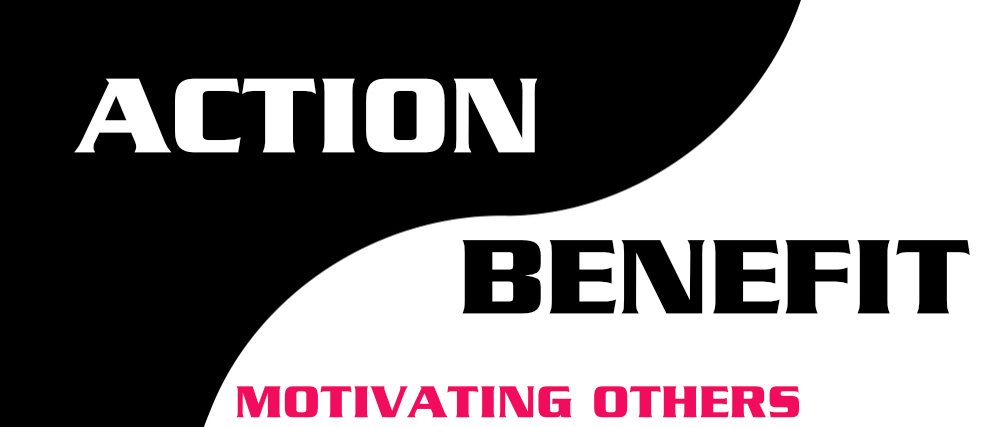
We’ve talked about this before in previous blogs, but it’s worth saying again—there’s no more important idea for any presentation than showing your audience how their actions can bring them real benefits. Showing the connection between effort and outcome is key. People act when they see why it’s worth their time.
Action-Benefit as a Navigation Tool
Think of the Action‑Benefit Statement not as a quick motivational tag at the end, but as a navigation tool that moves an audience from information to action. It starts with a clear IDEA, then shows the concrete STEP to take, and ends by emphasizing why that step MATTERS right now. With this structure, people are far less likely to be left wondering, “What should I do with this?” and are much more likely to follow through.
Have your message shift from idea to implementation. When you build your talk around this pivot—“here’s the action, here’s the payoff”—you give your audience a clear path forward and make it easier for them to say yes.
Breaking Down the Action-Benefit Statement
An Action-Benefit Statement simply links:
- The action you want someone to take.
- The payoff they will experience from taking it.
You can phrase it in everyday language, such as:
- “Try this question in your next one-on-one, and you’ll get more honest answers.”
- “Block ten minutes today to plan, and you’ll feel more in control of your week.”
- “Test this template on your next project, and you’ll cut down on rework.”
By building these phrases into your talk, you help motivate others by turning abstract ideas into clear, practical steps. In a presentation, these phrases act like signposts. They help listeners translate your ideas into specific steps and see how those steps improve their work or life.
Show Why It Works in the Real World
Now, to deepen the impact, it helps to recognize what many presentations lack. Too often, people walk away thinking, “That was interesting,” but not, “Here’s what I’ll do differently.” To truly motivate others, your message must bridge that gap between insight and action.
Action-Benefit Statements do this in three important ways:
- They bridge the “so what” gap by making the relevance of your point unmistakable.
- They lower the barrier to action by naming one simple, doable next move.
- They raise perceived value by attaching that move to a specific, desirable outcome.
As a result, your presentation stops being just informative and becomes immediately usable, which is exactly what you need when you’re trying to motivate others to act.
View Motivation Through Three Lenses
You can still think in terms of three motivators, but here is a fresh angle to shape the purpose of your message rather than just describing behavior. This shift can consciously structure a speech to better motivate others.
- Future Self Lens
Start by helping people see how the action improves their future self.- “Practice this now, and your future self will thank you when you’re presenting to senior leadership.”
- “Capture your ideas today, and your future self will have a ready-made plan to execute.”
- Friction Lens
Next, focus on the hassles and frustrations your audience wants to avoid.- “Put this process in place, and you’ll avoid last-minute fire drills.”
- “Clarify roles today, and you’ll prevent the confusion that slows your next project.”
- Identity Lens
Finally, connect action to the kind of person your audience wants to be at work.- “Use this technique, and you’ll show up as the leader who makes things clearer for everyone.”
- “Adopt this habit, and you’ll be known as someone who follows through and delivers.”
Thread Action-Benefit Through the Whole Speech
Create a smooth and engaging narrative by having Action-Benefit Statements throughout your talk instead of saving them for the end. After each main point, find a way to transition with a clear “what to do next” and “what you get” statement. Keep your audience oriented on what to do throughout, instead of trying to do it all in the last minute.
- After explaining a concept:
- “So here’s a simple way to apply this in your next meeting, and here’s how it will help you right away.”
- Finishing a story:
- “If you try this approach with your team, you’ll avoid the delay we faced and move faster.”
- As the closing summary:
- “Start with one new question, and you’ll hear better input.
Block ten minutes to prepare, and you’ll feel more confident.
Share one clear next step, and you’ll see more people follow through.”
- “Start with one new question, and you’ll hear better input.
These transitions create a natural flow from concept to action and keep your focus on how to motivate others at every stage.
Make “Motivate Others” Your Design Principle
When starting to plan your next speech or presentation, use a simple guiding question: “How does this help motivate others to take the next step?” Design the key points so that they naturally lead into the Action-Benefit, and view every section as a chance to clarify both the action and the payoff.
By using the Action-Benefit Statement as a guiding design—not just a closing line—you create messages that are clear, practical, and compelling. More than just informing; you can motivate others to act, change, and improve.
This information is discussed in our Presentation Skills, Sales and Leadership curriculums. If you’re looking for ways to improve your communication skills, register for one of our upcoming public classes or online classes & webinars.
Other Resources
What Are Benefit Statements? Explained with Examples.
7 Powerful Benefit Statements You Need To Use Now
How To Structure Your Next Speech, Opening Statement, or Presentation
Stay Connected
Subscribe to the IC weekly newsletter for tips and advice on your communication skills!
Public Classes
Effective communication is empowering. Get started on your path to being more clear, brief, and effective.
Upcoming Classes